Understanding HOA Restrictions on Artificial Grass in San Antonio
If you own a home in a homeowners association community in San Antonio, you've likely encountered the rulebook that governs everything from paint colors to landscaping choices. Homeowners associations exist to maintain property values and neighborhood aesthetics, which is why many have specific guidelines about what can and cannot be installed in front yards. Artificial grass, despite its growing popularity and numerous benefits, is one of those amenities that often falls under HOA scrutiny.
The good news is that artificial grass is increasingly being approved by HOAs across San Antonio and beyond, particularly as communities recognize the water conservation benefits and low-maintenance appeal. However, approval isn't automatic. Your HOA may have blanket restrictions, conditional allowances, or no specific policy at all, which means you'll need to understand the rules and potentially submit a formal request. The key is approaching the process strategically and knowing exactly what your HOA requires before you move forward with installation.
Common HOA Rules and Restrictions for Front Yard Artificial Turf
Most HOAs that have policies on artificial grass focus their concerns on three main areas: appearance, quality standards, and neighborhood consistency. Many associations prohibit artificial grass that looks obviously fake, faded, or poorly installed. They may require that the turf meet specific aesthetic standards, such as color matching natural grass, realistic blade texture, and proper drainage capabilities. Some HOAs also impose restrictions based on the percentage of your front yard that can be converted, requiring that a certain amount of living landscaping remain in place.
In upscale communities like Alamo Heights, Olmos Park, and Terrell Hills, HOAs may be particularly strict about artificial grass specifications. They might require documentation of the turf's UV resistance, drainage rates, and manufacturing standards. Some associations also have environmental concerns and may actually encourage artificial grass as a drought-resistant alternative, especially given Texas water conservation trends. Understanding your specific HOA's stance is critical before investing in Residential Artificial Grass Installation.
The HOA Submittal and Approval Process for Artificial Grass
Before any installation can begin, you'll likely need to submit an architectural review request or modification application to your HOA board. This formal process protects both the homeowner and the community by ensuring all changes meet established guidelines. Start by obtaining a copy of your HOA's architectural review guidelines or design standards. These documents will outline exactly what you need to submit, who approves requests, and how long the review typically takes. Most HOAs require submission at least 30 days before you plan to begin work.
Your submittal package should include product specifications for the artificial grass you intend to install, including manufacturer information, color samples, and technical data sheets that demonstrate drainage capability and UV resistance. Include photographs of the area where you plan to install the turf and a detailed description of the project scope. Many HOAs also require a site plan showing the exact dimensions of the installation area and how it relates to your home and landscaping. If you're working with a professional installer like San Antonio Turf Installation, we can assist with documentation and help ensure your submittal meets your specific HOA requirements. Call us at (830) 590-0771 to discuss your project and HOA approval strategy.
How to Present Your Artificial Grass Plan to Your HOA Board
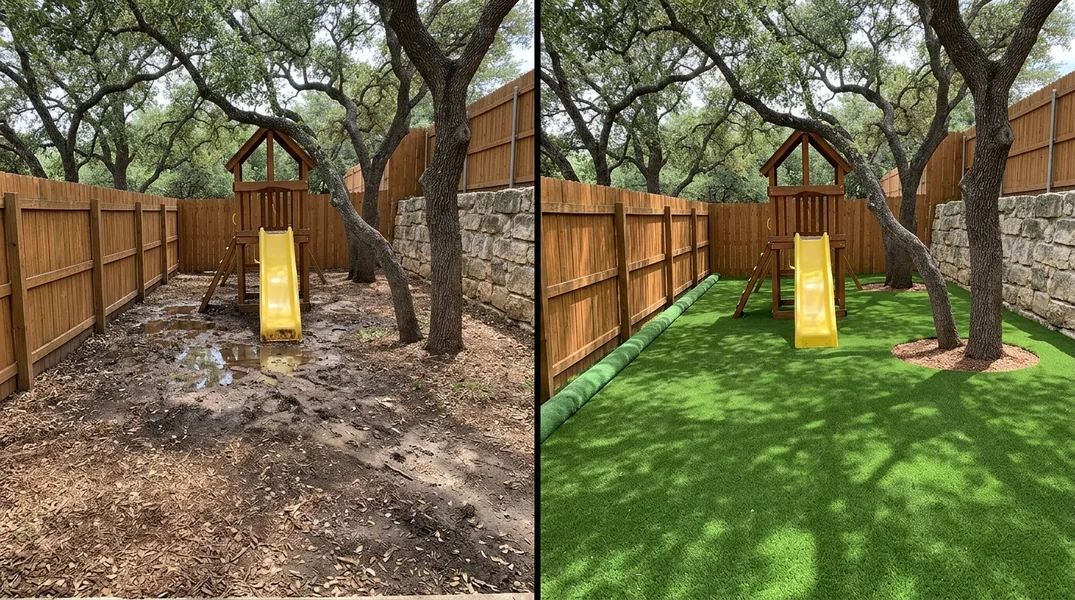
Presentation matters when seeking HOA approval for artificial grass. Rather than simply submitting paperwork, consider the board's perspective. Board members want assurance that your project will enhance or at least maintain property values and neighborhood appearance. Prepare a compelling case that addresses common concerns. Highlight the water conservation benefits, which resonate strongly in Texas where drought awareness is high. Emphasize that modern artificial grass looks natural and realistic, unlike the plastic-looking turf from decades past. Include before-and-after photos from similar installations in comparable neighborhoods to demonstrate the finished product.
Consider attending a board meeting to present your request in person if your HOA allows it. This personal touch can make a significant difference. Be prepared to answer questions about maintenance, durability, and how the installation will be completed. If your HOA requires specific product standards, ensure your chosen turf meets those requirements and have documentation ready. Professional installation also carries weight with HOA boards because it demonstrates you're serious about quality. San Antonio Turf Installation has extensive experience working with HOA requirements and can provide the documentation and professional standards your board expects.
Common HOA Approval Conditions and How to Meet Them
Even when HOAs approve artificial grass installations, they often attach conditions to their approval. Understanding these common stipulations helps you plan accordingly. Many boards require that you use turf that meets specific quality standards, such as ASTM International specifications for synthetic turf. Others may mandate that professional installation be performed, which ensures proper drainage and longevity. Some HOAs require regular maintenance schedules or annual inspections to ensure the turf remains in good condition. A few communities even stipulate that you must remove and replace the artificial grass after a certain number of years if it shows significant wear.
Drainage is a frequent condition because improperly installed artificial grass can cause water pooling and foundation issues. Your HOA may require proof that your installation includes adequate drainage systems and that water will flow appropriately. Edging requirements are another common condition, with boards wanting to ensure the turf doesn't look unfinished or create trip hazards. By working with experienced installers who understand these requirements, you can ensure your installation meets all conditions on the first attempt, avoiding costly modifications or removal orders down the road.
What to Do If Your HOA Denies Your Artificial Grass Request
Receiving a denial from your HOA can be frustrating, but it's not necessarily the end of the conversation. First, request a detailed explanation of why your request was denied. Was it the product specifications, the installation area, or a blanket policy against artificial grass? Understanding the specific reason gives you a path forward. If the denial is based on product quality, you can revise your submittal with premium turf that meets higher standards. If the concern is about appearance, you might propose a smaller installation area or a different location on your property that's less visible from the street.
You also have the right to appeal most HOA decisions. Review your HOA documents for the appeals process, which typically involves presenting additional information or requesting a reconsideration by the board. Sometimes a second presentation with better documentation or professional testimonials can sway the decision. If your HOA has an unreasonable blanket ban on artificial grass despite its widespread acceptance and environmental benefits, you may want to explore whether other homeowners share your concerns and consider working collectively to change the policy. In any case, getting a free estimate from San Antonio Turf Installation can help you understand your options and prepare a stronger case for approval.
Looking for a professional artificial grass installation company in San Antonio? San Antonio Turf Installation responds fast for all your artificial grass installation needs.
Get a Free Quote